Cockroach Janata Party Goes Viral Online: Meme Movement, Satire, and Social Media Chaos Explained
A bizarre political parody called “Cockroach Janata Party” is taking over social media timelines, blending dark humor, internet satire, and youth frustration into a viral online phenomenon.
By Dr. Arnab Hazarika
Economy Analyst
Key Highlights
- check_circlePublished on May 20, 2026
- check_circle4 minute read • Politics
The Internet’s Newest Political Meme Is Here
In the ever-unpredictable world of internet culture, a strange new name has suddenly emerged across social media platforms — the “Cockroach Janata Party” (CJP). What started as a satirical meme trend has rapidly transformed into a viral online sensation, sparking reactions ranging from laughter and confusion to political debate and criticism.
Over the past few days, thousands of users on platforms like Instagram, X, Facebook, and YouTube have been sharing edited campaign posters, fake election manifestos, parody speeches, and humorous “breaking news” clips featuring the fictional party. Hashtags related to the trend have begun appearing across meme communities, especially among younger internet users.
The phrase “Cockroach Janata Party” appears to be entirely fictional and internet-driven, with no official political registration or real-world organizational presence. However, its sudden popularity reflects how online satire continues to shape public conversations in the digital age.
How the Trend Started
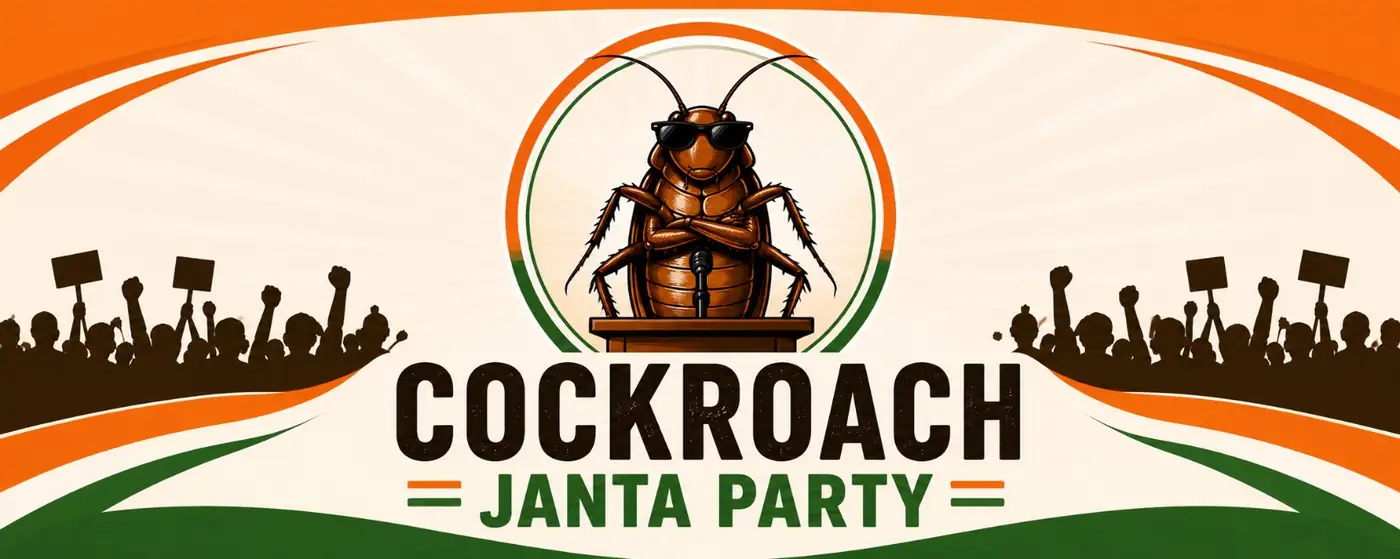
According to several meme creators and digital observers, the trend reportedly began inside small online communities where users were joking about corruption, survival politics, and “indestructible leaders.” The cockroach symbol quickly became the central metaphor.
“People started comparing certain political behaviors to cockroaches because they survive every scandal, every controversy, and every election cycle,” said one meme page administrator who requested anonymity. “Then someone designed a fake party logo, and the internet just ran with it.”
Soon after, AI-generated posters and parody campaign slogans flooded social media feeds. Many posts portrayed the fictional party promising bizarre reforms, while others mocked real political narratives through indirect satire.
Why It Is Going Viral
Experts say the trend reflects a growing culture of political meme activism among younger audiences.
Digital culture analyst Arjun Mehta explained that meme-based satire often becomes popular during periods of political fatigue or public frustration.
“Humor has become a coping mechanism online,” Mehta said. “When users feel disconnected from traditional politics, they create fictional movements that exaggerate reality. The ‘Cockroach Janata Party’ is essentially internet satire packaged like a political campaign.”
The trend has also gained traction because of short-form video platforms, where edited speeches, fake interviews, and dramatic campaign edits can spread within hours.
Several creators have even begun producing mock “election rallies” using AI voiceovers and edited crowd footage, making the fictional party appear strangely realistic to casual viewers.
Mixed Reactions Across Social Media
While many users see the trend as harmless comedy, others believe such satire can blur the line between misinformation and entertainment.
Some critics warned that highly edited parody content could confuse viewers who are unfamiliar with meme culture. A few users even questioned whether the trend indirectly mocks democratic institutions.
However, supporters of the meme trend argue that political satire has always existed in different forms.
“People are not attacking democracy,” one viral user wrote on X. “They are using humor to express frustration. That’s different.”
Meanwhile, several regional meme pages have localized the joke by creating state-specific “Cockroach Janata Party” branches, fake ministers, and campaign promises tailored to local issues.
Brands and Influencers Join the Trend
As the meme exploded in popularity, influencers and content creators quickly joined the movement. Some small businesses even posted parody campaign ads using the fictional party name to attract engagement online.
Marketing experts say viral humor trends like this can generate massive visibility within a short time. However, they also warn brands to be cautious when using political-style satire.
“Internet humor moves fast, but brands must understand the risks,” said digital marketing strategist Neha Kapoor. “A joke can become controversial overnight.”
The Rise of Meme Politics
The “Cockroach Janata Party” trend highlights a broader shift in how political conversations are evolving online. Traditional debates are increasingly being replaced or influenced by memes, short videos, and viral satire.
Across the world, fictional political campaigns and parody parties have frequently appeared during tense social moments. Experts say these trends reveal public sentiment in ways traditional polling sometimes cannot.
The rise of AI-generated content has also accelerated the realism of such parody campaigns, making fictional narratives appear surprisingly authentic.
Instagram: @cockroachjantaparty
According to recent reports and fan/community pages, the account has seen explosive growth within just a few days: 7M+ cockroach/followers
Conclusion
Whether it fades within days or evolves into a longer-running internet joke, the “Cockroach Janata Party” has already become one of the most talked-about meme trends online. What began as a random satirical concept has now turned into a reflection of digital culture, political fatigue, and the power of viral humor.
As internet users continue turning politics into meme content, one thing is clear — in the age of social media, even a fictional cockroach-themed political party can dominate public conversation overnight.
Key Highlights
“Cockroach Janata Party” is a fictional viral meme trend.
The trend is spreading rapidly across Instagram, X, Facebook, and YouTube.
Users are creating parody election campaigns and fake political content.
Experts say the trend reflects political satire and online frustration.
Concerns have emerged about satire being mistaken for misinformation.
Related Stories

Discussion
Comments are loading...